Hotel sweet room
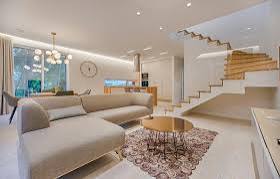
Here are some Hotel Suite Room Interior Tips that can help create a luxurious, comfortable, and welcoming experience for guests:
🛋️ Layout & Space
- Zoning: Divide the suite into clear sections (bedroom, living area, workspace, mini dining).
- Open Flow: Use furniture placement to separate spaces without blocking natural flow.
- Large Windows: Maximize natural light; add sheer curtains with blackout drapes.
🎨 Colors & Theme
- Neutral Base + Accents: Beige, ivory, or grey as a base with rich accent colors (navy, emerald, gold).
- Texture Mix: Use a combination of velvet, leather, silk, or linen for cushions, rugs, and throws.
- Luxury Feel: Subtle metallics (gold, brass, or chrome) in lamps, handles, and mirrors.
🛏️ Bedroom Area
- King-size Bed: With premium mattresses and high-thread-count linens.
- Headboard: Tall, upholstered with tufted or panel design.
- Lighting: Bedside pendant lights or sleek sconces instead of bulky lamps.
🛋️ Living Area
- Comfortable Sofa & Armchairs: Plush seating for relaxation.
- Coffee Table: Glass or marble top with a chic centerpiece.
- Entertainment: Large Smart TV, hidden speakers, or soundbar.
🍽️ Dining/Bar Corner
- Mini Bar: Stylish bar cabinet with glassware, wine chiller, and coffee machine.
- Dining Nook: Small table with elegant chairs for in-room dining.
🛁 Bathroom
- Luxury Fixtures: Rain shower + bathtub with marble or stone finishing.
- Double Vanity: With large mirrors and warm lighting.
- Amenities: Premium toiletries, fluffy towels, bathrobes, and slippers.
💡 Lighting & Ambience
- Layered Lighting: Ceiling lights + accent lights + dimmable bedside lamps.
- Smart Controls: Automated curtains, mood lighting, and climate control.
- Decorative Touches: Artwork, indoor plants, and candles for warmth.
✨ Pro Tip: Guests love personal touches – a welcome fruit basket, handwritten note, or curated guidebook elevates the experience.
Hotels Double Bedroom Interior Design
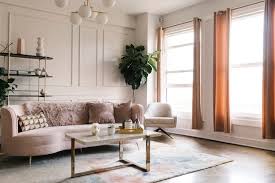
KanikaDecor are giving some Hotel Double Bedroom Interior Design Tips that create comfort, luxury, and functionality for guests:
🏨 Layout & Space
- Symmetry: Place twin beds or a large double bed centrally with balanced side tables.
- Clear Circulation: Keep enough walking space around the bed and furniture.
- Functional Zones: Divide space for sleeping, lounging, and working (small desk or chair).
🎨 Color Scheme & Lighting
- Neutral Base: Use soft beige, grey, ivory, or pastel tones for calmness.
- Accent Colors: Add pops of rich tones (navy, emerald, mustard) through cushions, throws, or artwork.
- Layered Lighting: Combine ambient ceiling lights, bedside lamps, and accent lighting for warmth.
🛏️ Furniture & Comfort
- High-Quality Bed: Invest in a plush mattress, fresh linens (300+ thread count), and layered bedding.
- Headboard: Upholstered headboards add elegance and comfort.
- Compact Storage: Use wardrobes with sliding doors, a luggage bench, and multipurpose bedside tables.
✨ Luxury Touches
- Artwork & Wall Decor: One large artwork or a series of smaller framed prints above the bed.
- Curtains: Blackout curtains for privacy and good sleep, paired with sheer drapes for natural light.
- Rugs: Place a soft area rug near the bed to add coziness.
📺 Technology & Amenities
- Smart Controls: Easy access switches, bedside USB ports, and charging stations.
- Entertainment: Wall-mounted TV with hidden cables.
- Work-Friendly Corner: A compact desk with ergonomic chair if space permits.
🌿 Ambience & Décor
- Indoor Plants: A small plant or fresh flowers for freshness.
- Fragrance: Subtle room freshener or diffuser for a pleasant atmosphere.
- Mirrors: A large mirror to make the room feel more spacious.
Exterior of Terrace
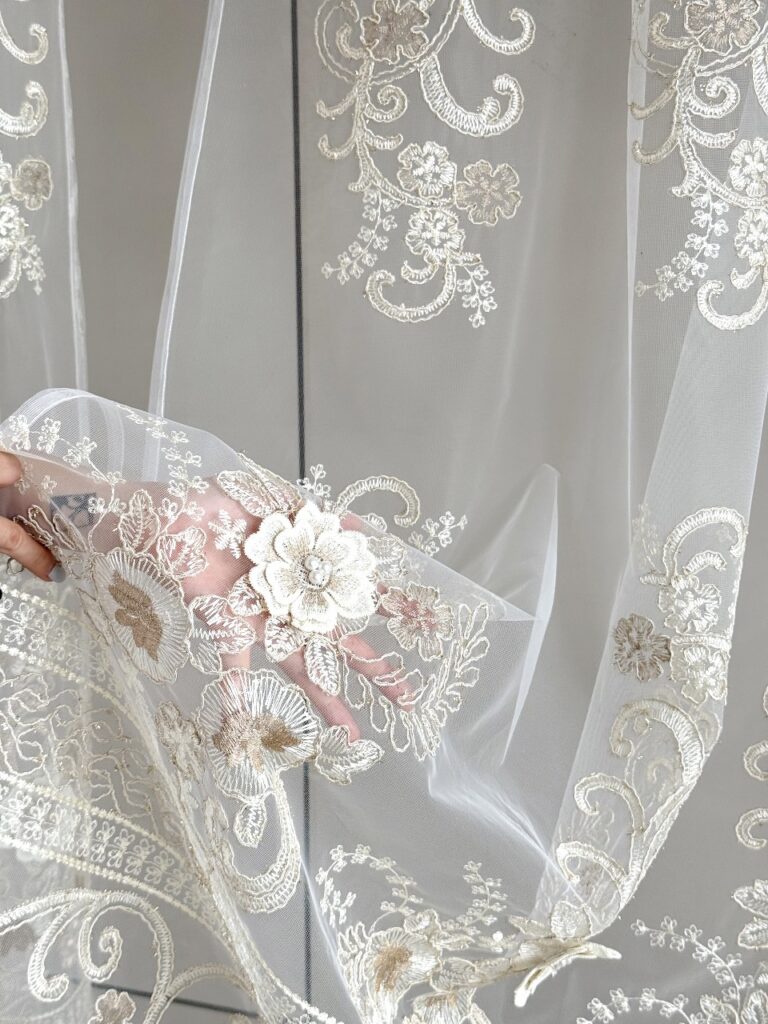
The exterior terrace can be enhanced and maintained with thoughtful design, the right materials, and regular care to create a comfortable, functional, and visually appealing outdoor space[1][2][3].
Design and Decoration Tips
- Use vertical gardens and wall-mounted planters to maximize greenery, especially in small terraces[1][2].
- Choose weather-resistant furniture like rattan or metal, and add cozy cushions for comfort[1].
- Add lighting such as string lights or solar lanterns to create a warm evening ambience[1][2].
- Create a focal point with standout features like a pergola, water fountain, or statement furniture[4].
- Incorporate layers of texture by mixing materials like wood, metal, stone, and textiles for visual interest[4].
Maintenance and Care
- Clean surfaces regularly to remove dust, dirt, and organic buildup using brooms or leaf blowers[5].
- Inspect decking, flooring, and railings for warping, cracks, rot, or rust, and repair as needed to ensure safety[3].
- Recoat or seal wooden or composite surfaces periodically to maintain weather resistance[3].
- Ensure proper drainage and clear any built-up debris from balcony scuppers or deck drains[3].
- Maintain outdoor fixtures, such as lighting, and check for damaged wiring or other wear[6].
Gardening and Sustainable Use
- Mix and match planters in different shapes and colors to liven up the space[2].
- Play with garden lighting to achieve a magical atmosphere, using LED string lights and solar-powered lanterns[2].
- Set plants about 1.5 feet apart and prefer container gardening for flexibility, choosing hardy and low-maintenance species[7].
Outdoor Activities and Comfort
- Arrange furniture to promote conversation and relaxation; create distinct seating areas for different activities[4].
- Install a hammock or swing for a relaxing retreat, or set up an outdoor dining area for alfresco meals[4].
- Personalize with decorative elements such as rugs, pillows, artwork, and tableware to add comfort and style[4].
With smart planning and regular care, even a small exterior terrace can be transformed into a vibrant, inviting retreat for relaxation and entertaining[1][2][4].
Effective tips of Garments showroom interiors
tips of Garments showroom.
The most effective tips for running a garments showroom include strategic store design, optimized display methods, customer-centric color schemes, and thoughtful lighting. Here is one representative image of a garments showroom to illustrate best practices in layout and ambiance[5].
[1]
Store Layout and Design
- Use color schemes tailored to your target demographic (e.g., soft and feminine hues for women’s wear, deep tones for men’s wear) to create an inviting atmosphere[1].
- Place mirrors strategically; multiple mirrors not only help customers visualize themselves but also attract attention to featured products[1].
- Incorporate streamlined display cases and maintain a holistic flow in shelving arrangements, ensuring products are easily accessible and visually appealing[1].
Display Techniques
- Group garments by color to provide a comfortable, visually rhythmic browsing experience; avoid placing same-length styles together to prevent a warehouse-like feel[1][4].
- Implement contrasting color displays (e.g., cool colors beside warm ones), but balance them with a 3:7 ratio for harmony and excitement[1].
- Place high-demand or featured items in prominent ‘living areas’, where customer traffic is highest, to boost visibility and sales[1].
Lighting and Ambience
- Use soft, flattering lighting for women’s sections and stronger rhythmic lighting for casual segments to match the mood and style of the products[1].
- Play background music that matches the brand theme, enhancing the overall shopping vibe and engagement[1].
Operational Tips
- Establish a tidy and organized counter desk with effective IT and billing systems for smooth customer transactions[7].
- Train sales staff to act as ‘living models’, wearing featured garments to increase product appeal and reduce inventory[1].
Photo Best Practices
- Employ mannequins or models in photography to give garments a realistic shape, helping customers visualize fit and style[3].
- Ensure photos showcase front, back, and close-up fabric details; edit for consistent lighting and background to support a polished online/offline brand image[2][3].
These strategies will help maximize showroom appeal and customer engagement, creating a memorable shopping environment